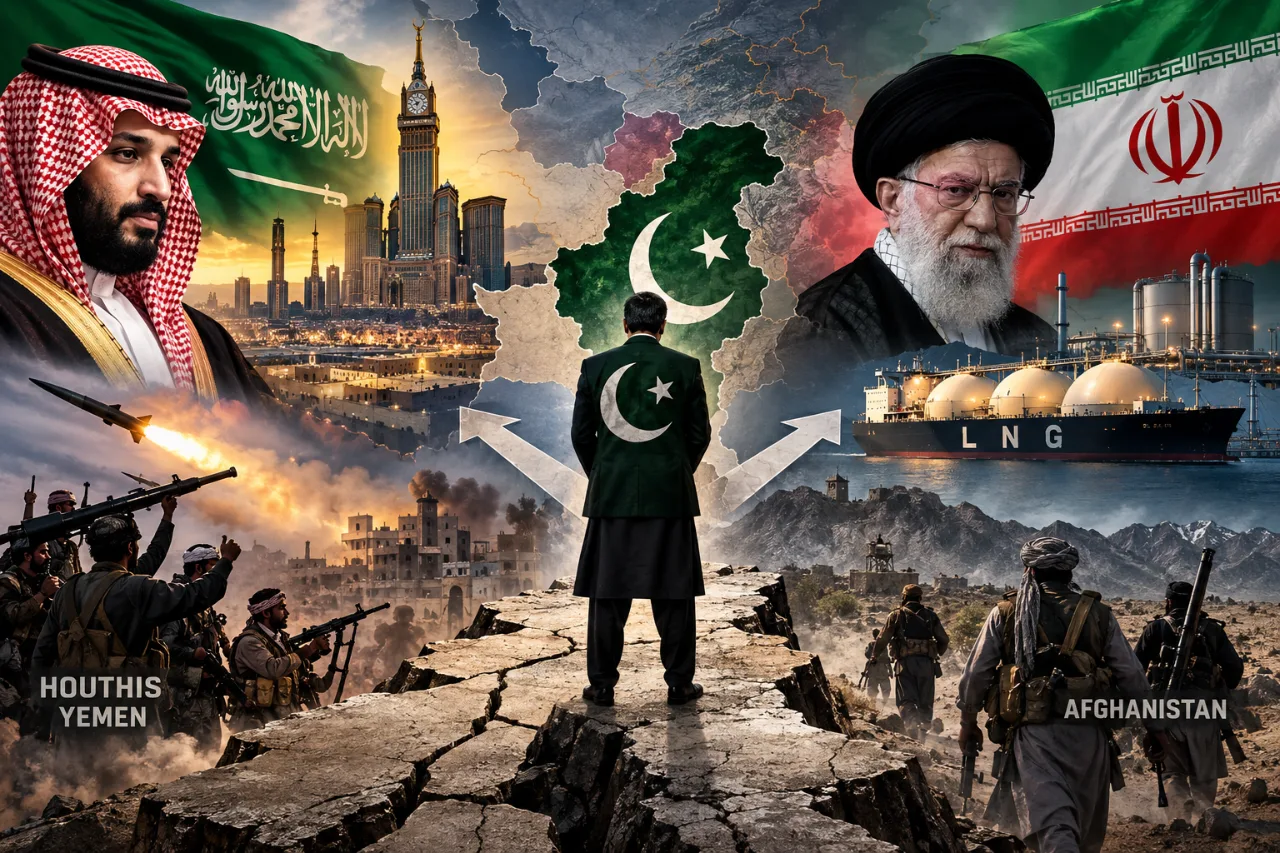
Pakistan has spent decades cultivating relationships with competing powers and regional rivals, often positioning itself as a useful partner to more than one side at the same time. But the latest crisis stretching from Saudi Arabia to Iran and Afghanistan is exposing the limits of that strategy.
Islamabad now finds itself in an increasingly difficult position. It has deepened its security relationship with Saudi Arabia while simultaneously depending on Iran for critical energy supplies. It is expected to support Riyadh as tensions with Iran-backed forces escalate, yet it has shown little appetite for becoming directly involved in another regional war.
That contradiction is becoming harder to manage.
Pakistan recently appointed retired Lieutenant General Nauman Mahmood as the first secretary general of the newly established Mecca Defence Alliance, a Saudi-led security arrangement intended to strengthen the kingdom's protection against external threats. The appointment gives Islamabad an important institutional role in the emerging regional security structure.
But the timing is awkward.
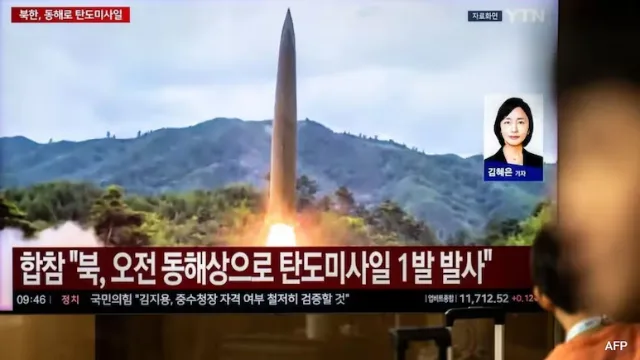
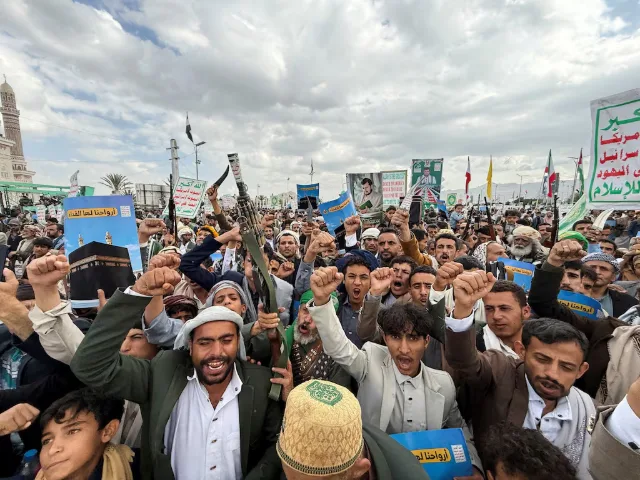
The alliance comes as Saudi Arabia faces repeated attacks by the Iran-aligned Houthis in Yemen. Riyadh has sought military and diplomatic backing from partners, while France has also offered personnel and air-defence capabilities to protect critical Saudi infrastructure.
For Pakistan, supporting Saudi Arabia is not simply a matter of issuing diplomatic statements. The alliance could eventually require decisions on military assistance, intelligence cooperation or other forms of operational support.
That is where Islamabad’s relationship with Iran becomes increasingly complicated.
Pakistan has maintained a working relationship with Tehran despite deep differences between the two countries. That relationship has acquired practical importance as Pakistan faces serious energy pressures. Recent reports of Iranian assistance in facilitating LNG shipments to Pakistan illustrate how economic necessity can cut across geopolitical alignments.
The contradiction is difficult to ignore: Pakistan is helping construct a security framework designed to protect Saudi Arabia from threats linked to Iran while relying on Iranian cooperation to ease an energy problem at home.
That balancing act may have worked when the regional landscape was divided into manageable compartments.
It is much harder when those compartments begin to overlap.
The Houthis are the clearest example. Saudi Arabia views their attacks as a direct threat to its territory and infrastructure. Iran provides substantial support to the movement, although the Houthis retain their own political and military calculations. Pakistan therefore faces a choice between its security commitments to Riyadh and the consequences of directly confronting a group backed by Tehran.
There is also a domestic dimension.
Pakistan's military has historically been cautious about entering conflicts that could provoke sectarian tensions at home. The country has a substantial Shia population, and any perception that Islamabad is joining a military campaign directly against Iran could have political and security consequences.
Pakistan faced a similar dilemma in 2015, when its parliament declined a Saudi request for military participation in the Yemen war. Islamabad instead adopted a position of political solidarity while seeking to avoid direct involvement.
The circumstances are different today, but the underlying problem remains.
Pakistan wants the strategic and economic benefits of close ties with Saudi Arabia without completely alienating Iran. It wants relations with Turkey and other regional actors while maintaining its traditional security partnerships. At the same time, it faces a worsening security situation along its western frontier.
Afghanistan may prove to be the most immediate complication.
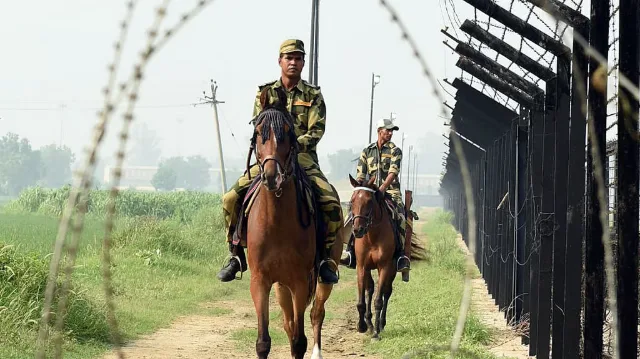
Pakistan has intensified military action against militants it says operate from Afghan territory, particularly the Tehreek-e-Taliban Pakistan. Islamabad regards the group as a major internal security threat, while Kabul rejects accusations that it deliberately provides a safe haven.
The escalation creates another strategic burden at precisely the moment Pakistan is trying to manage its wider regional commitments.
A country facing serious militant violence at home has limited room for prolonged military engagement abroad. Every additional front consumes political attention, military resources and diplomatic capital.
This is where Pakistan's traditional strategy of maintaining relationships with multiple sides begins to encounter hard limits.
Strategic flexibility can be useful. It allows a country to avoid becoming completely dependent on one partner and gives policymakers room to manoeuvre when regional circumstances change.
But flexibility becomes vulnerability when partners begin demanding incompatible commitments.
Saudi Arabia may expect Pakistan to provide meaningful security assistance. Iran will have an interest in preventing Pakistan from becoming an active participant in military action against its regional partners. Afghanistan remains a security challenge. China remains a critical economic and strategic partner. And Pakistan's own domestic political and economic pressures continue to constrain its choices.
There is no easy formula for satisfying all of them.
The danger is not necessarily that Pakistan will be forced to choose one camp immediately. It is that the space for remaining in the middle may continue to shrink as regional conflicts become interconnected.
The appointment of a senior retired Pakistani general to the Mecca alliance illustrates both sides of the equation. Islamabad is gaining influence within an important Saudi-led security framework, but it is also assuming responsibilities that could eventually require difficult choices.
Diplomatic balancing works best when competing interests remain manageable.
When energy security, military alliances, sectarian sensitivities, terrorism and regional conflicts converge, ambiguity becomes much harder to sustain.
Pakistan may still be able to maintain working relationships with Riyadh and Tehran simultaneously. But doing so will require more than diplomatic manoeuvring. It will require clear limits on military commitments, careful management of domestic pressures and a strategy for dealing with Afghanistan that does not create another open-ended conflict.
The central challenge for Islamabad is therefore no longer simply how to keep all sides satisfied.
It is how to preserve strategic flexibility when the region itself is leaving less room for it.
Pakistan has spent years playing several sides against one another. The emerging Middle Eastern crisis is testing whether that strategy can survive a moment when those sides are increasingly on a collision course.