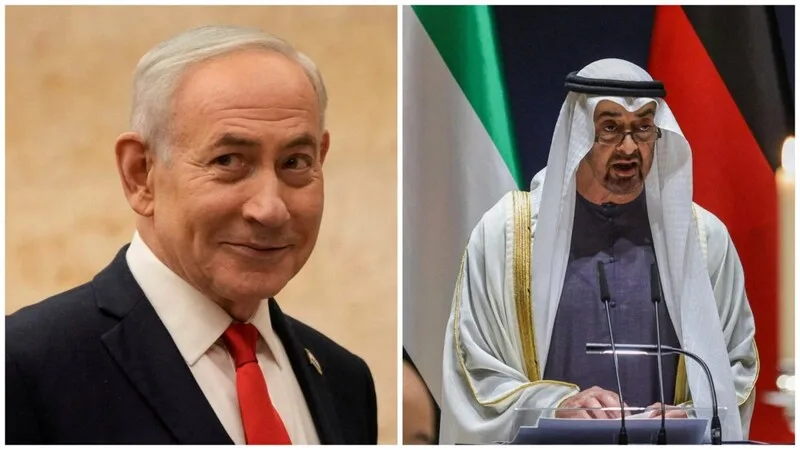
ABU DHABI — The United Arab Emirates has confirmed that Israeli Prime Minister Benjamin Netanyahu made an unannounced visit to Abu Dhabi and met President Sheikh Mohamed bin Zayed Al Nahyan, as competing accounts of the meeting have emerged amid a renewed dispute over whether the Emirati leader warned Netanyahu of an impending Hamas attack before October 7, 2023.
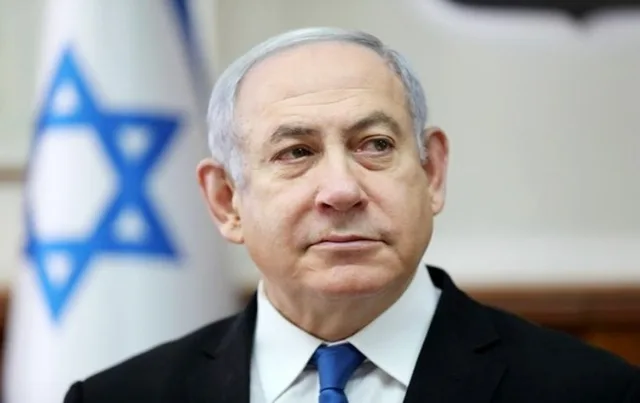
The UAE’s state news agency, WAM, said the two leaders discussed bilateral relations and ways to strengthen and develop ties. Netanyahu’s office said the visit was made at Sheikh Mohamed’s invitation and focused on relations between the two countries and regional challenges.
The meeting took place on September 27 but was not publicly announced at the time. Netanyahu travelled to Abu Dhabi aboard a private aircraft and returned to Israel the same day. The visit was first reported by Israeli media before the UAE formally acknowledged it.
Accounts of what was discussed differ. Three Israeli officials told Reuters that the meeting lasted about six hours and focused heavily on Iran. The official Emirati account made no mention of Iran, instead describing the discussions in terms of bilateral relations.
A separate Associated Press report, citing people briefed on the meeting, said Netanyahu also sought a public denial from Sheikh Mohamed over allegations that the Emirati president had warned him before the October 7 attack that Hamas was preparing a major assault. The UAE has not publicly confirmed that the issue was raised.
The controversy stems from a report published earlier this month alleging that Sheikh Mohamed had warned Netanyahu about a potential Hamas attack shortly before October 7. Netanyahu’s office has repeatedly rejected the allegation, calling the report false and politically motivated.
The UAE has also stopped short of confirming the specific warning. In an earlier statement, its Foreign Ministry said the government does not comment on media reports or speculation concerning conversations between leaders. It added that Emirati and Israeli authorities have maintained direct channels of communication and that relevant intelligence is shared when necessary.
The latest meeting has therefore brought renewed attention to questions over what information Israeli leaders received before the October 7 attack and how any warnings were handled.
Hamas-led fighters launched the October 7 assault on southern Israel, killing about 1,200 people and taking roughly 250 hostages, according to Israeli figures. The attack triggered the war in Gaza and a wider regional crisis that has continued to reshape relations among Israel, Arab states and Iran.
Netanyahu has rejected claims that he received advance intelligence from Sheikh Mohamed. His office also denied reports that the purpose of the Abu Dhabi visit was to obtain a denial from the Emirati president.
“The visit focused solely on strengthening relations between the two countries and addressing regional challenges,” Netanyahu’s office said, according to Israeli media reports.
The visit comes as Israel and the UAE maintain close security and diplomatic contacts despite tensions generated by the Gaza war and the broader confrontation with Iran. The two countries established formal diplomatic relations in 2020 under the US-brokered Abraham Accords.
The UAE has increasingly positioned itself as a regional diplomatic actor with channels to both Israel and Washington. The relationship has continued despite disagreements over Israel’s military operations and the wider regional security crisis.
The secrecy surrounding Netanyahu’s trip also triggered a separate dispute inside Israel. His office said the Shin Bet had filed a complaint with the military censor over the disclosure of the visit by Channel 12 before Netanyahu had returned to Israel, arguing that the report exposed sensitive security arrangements.
The prime minister was accompanied by senior Israeli security and foreign-policy officials, including the head of the Mossad and senior National Security Council officials, according to reports.
The visit also comes ahead of Israel’s October elections, adding domestic political significance to the renewed debate over warnings received before October 7. Opposition figures have used reports about possible advance warnings to question the government's handling of intelligence before the attack, while Netanyahu has rejected the allegations.
The precise substance of the Abu Dhabi discussions remains unclear. The UAE's public statement focused on bilateral relations, while Israeli officials have described Iran and regional security as important elements of the talks. The disputed October 7 warning remains unconfirmed by the UAE and denied by Netanyahu’s office.
What is clear is that the meeting brought the Israeli and Emirati leadership together privately at a time when both countries are navigating heightened regional tensions and renewed scrutiny of the events preceding the October 7 attack.