India has summoned Pakistan’s Chargé d’Affaires and lodged a strong protest over what New Delhi described as the continued facilitation of illegal cross-border infiltration, escalating a diplomatic dispute following a deadly incident along the International Border in Punjab.
The Ministry of External Affairs rejected as “baseless and motivated” Pakistan’s allegations over the October 2 incident in the Ferozepur sector, where two men were killed by Border Security Force personnel.
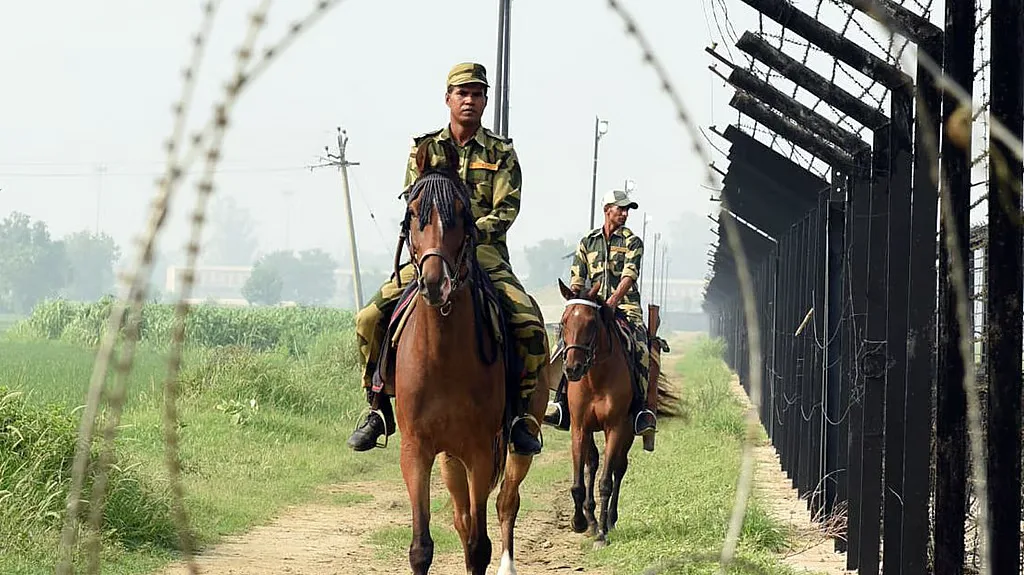
According to the Indian government’s account, three individuals entered Indian territory and continued moving towards the border fence despite repeated warnings from the BSF to return to Pakistan. The force subsequently engaged them after assessing them as posing an imminent security threat.
Pakistan has presented a sharply different account. Islamabad summoned India’s Chargé d’Affaires and accused BSF personnel of using lethal force against what it described as unarmed civilians. Pakistan has called for an immediate and credible investigation and rejected India’s characterization of the men as infiltrators.
The competing accounts have become the centre of a fresh diplomatic confrontation between the two nuclear-armed neighbours.
India told the Pakistani diplomat that the Ferozepur episode reflected what it described as a wider pattern of cross-border movement by armed narcotics syndicates operating from Pakistan. New Delhi urged Islamabad to investigate alleged infiltration and drug-smuggling activities, including what India described as the alleged involvement of Pakistani border forces.
The Indian government also called on Pakistan to respect the sanctity of the International Border and adhere to existing bilateral arrangements. It urged Pakistani forces to exercise effective control over their side of the frontier to prevent unauthorised movement and avoid a recurrence of similar incidents.
The incident occurred along the Punjab section of the India-Pakistan International Border, an area that has long faced security concerns involving infiltration and alleged cross-border narcotics trafficking.
Indian officials maintain that the three individuals had crossed into Indian territory and ignored warnings to turn back. Pakistan, meanwhile, disputes that characterization and says the men were civilians who were subjected to unjustified force. The conflicting versions have not been independently reconciled.
The latest exchange comes amid continuing sensitivity along the India-Pakistan border, where even relatively localized incidents can quickly acquire diplomatic significance.
By summoning Pakistan’s senior diplomatic representative, New Delhi has formally placed the incident within a broader dispute over border control, infiltration and alleged narcotics networks. Islamabad’s earlier protest demonstrates that both governments are seeking to establish competing narratives over what happened.
For now, the immediate dispute centres on the events of October 2. But the diplomatic confrontation also reflects a wider and unresolved disagreement over responsibility for unauthorised cross-border movement and security threats along the frontier.