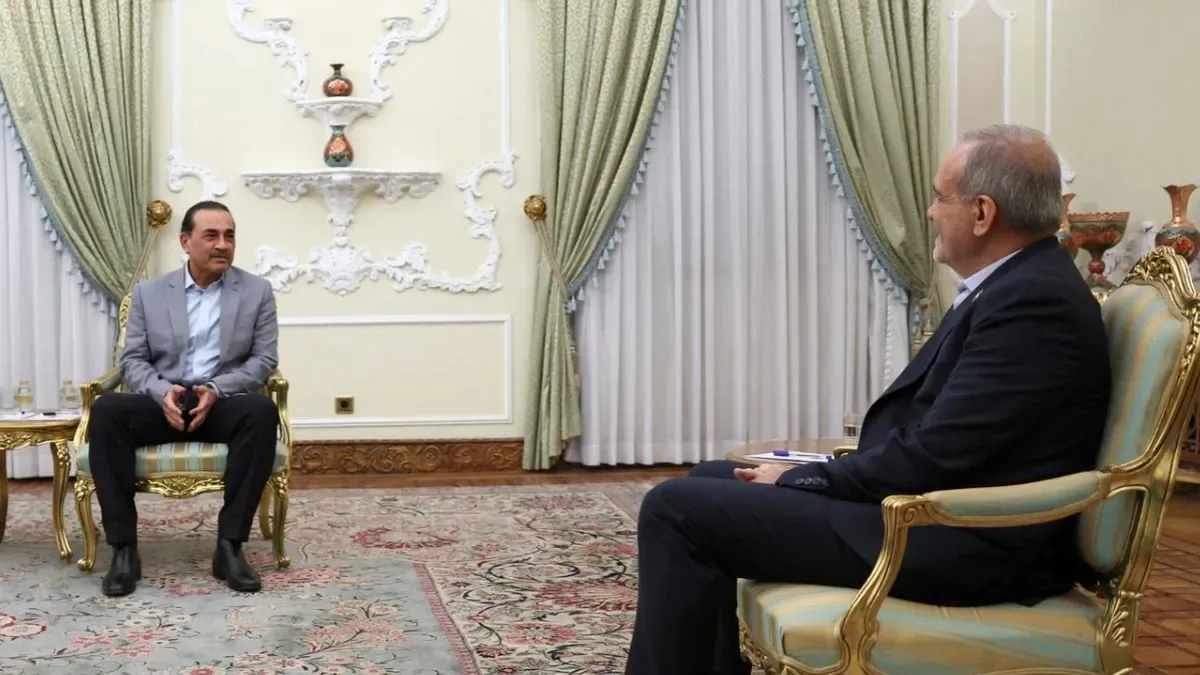
Iran has refused to surrender its stockpile of enriched uranium, a crucial component in the development of nuclear weapons, according to reports. This stance was reiterated by Mohsen Rezaei, secretary of Iran's Supreme National Security Council, during a meeting with Pakistan's Army chief, Field Marshal Asim Munir, on Tuesday.
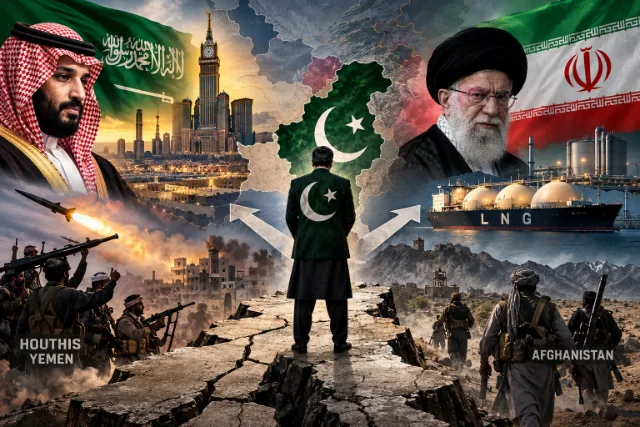
The meeting was part of Pakistan's efforts to negotiate peace between the US and Iran, a conflict that began on February 28 this year. However, Rezaei's comments suggest that these efforts have been unsuccessful, with Iran maintaining that it will not allow its enriched uranium to be removed from the country.
Rezaei emphasized that the enriched uranium is a national asset and will remain in Iran for domestic use. He also stressed that the US must take steps to rebuild trust and fulfill Iran's demands before any negotiations can take place.
Key Points
'Not even a tiny bit of enriched nuclear material will leave Iran. Such materials constitute a major asset and national wealth for the Iranian people, intended for use within the country,' Rezaei said, as cited by the Times of Israel. 'There will be no negotiations until America takes steps to build trust — a process that must begin with the fulfillment of Iran’s conditions.'
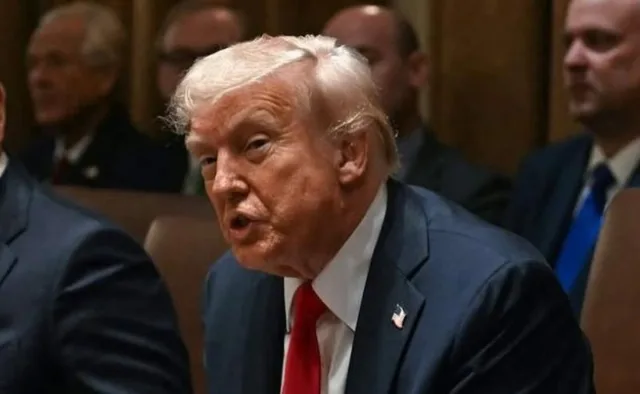
This development comes as US President Donald Trump continues to assert that he will not allow Iran to become a nuclear power. In a recent speech in Kentucky, Trump claimed that the conflict with Iran is nearing its end and will be resolved 'very quickly.'
'It's going to end very quickly. When it ends, your gas prices are going to be lower than what they were before,' Trump said. 'You know, when I did the little excursion to the Islamic, the beautiful Islamic Republic of Iran, we beat the shit out of them. But when I did that excursion, we knocked out their nuclear capacity.'
However, Rezaei's comments suggest that a resolution to the conflict may not be imminent, as Iran appears unlikely to surrender its nuclear material. The ongoing tensions between the US and Iran have significant implications for regional and global security, and a peaceful resolution remains elusive.
Pakistan's efforts to facilitate negotiations between the US and Iran have been ongoing, but so far, they have been unsuccessful. The meeting between Rezaei and Munir was seen as a crucial step in this process, but the outcome has been disappointing for those hoping for a breakthrough.
As the situation continues to unfold, the international community remains concerned about the potential consequences of the conflict. The US and Iran have been engaged in a war of words, with both sides exchanging accusations and threats. The conflict has also had a significant impact on the global economy, particularly in the energy sector.