
Pakistan has declared an emergency in Khyber Pakhtunkhwa, bringing the provincial government led by jailed former prime minister Imran Khan’s Pakistan Tehreek-e-Insaf (PTI) party to an end and transferring key executive and legislative powers to the federal authorities. President Asif Ali Zardari issued the proclamation on October 11, citing escalating militant attacks and what the government described as a breakdown of constitutional governance.
The order invokes Articles 232 and 234 of Pakistan’s Constitution. Under its provisions, Chief Minister Sohail Afridi, provincial ministers, advisers, special assistants and the advocate general must vacate their offices. The provincial governor can assume some or all functions of the government under federal directions, while the powers of the provincial assembly will be exercised by Parliament or under its authority.
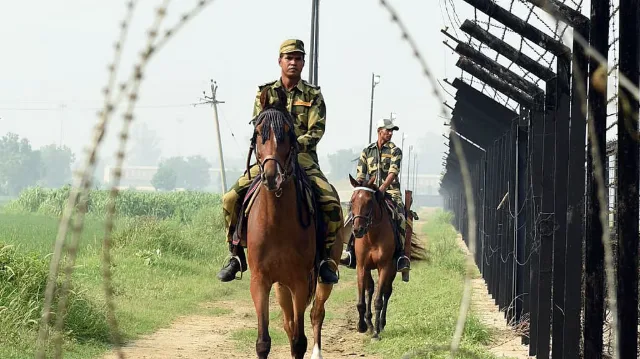
The decision follows growing tensions between Islamabad and the PTI-led administration over the deteriorating security situation in the province, which borders Afghanistan and has faced repeated attacks on security personnel, government installations and infrastructure.
The federal government has accused the provincial administration of failing to take effective measures against militancy. In its declaration, the presidency said the intensity of terrorist incidents posed serious threats to the lives and property of residents. It also cited a report from the provincial governor that alleged the constitutional machinery had broken down and the government was unable to function in accordance with the Constitution.
Prime Minister Shehbaz Sharif’s federal cabinet endorsed the emergency proposal at a special meeting on Sunday. The cabinet alleged that the provincial government had deliberately disengaged from counterterrorism efforts and recommended that Sharif advise the president to invoke emergency powers.
Sharif told the meeting that the provincial administration had failed to respond adequately to the security threat. He said the federal government had provided at least 800 billion Pakistani rupees to Khyber Pakhtunkhwa over the previous decade to support counterterrorism and improve security, but the situation had continued to deteriorate.
The federal government considered other options before proceeding with the proclamation, including an attempt to mediate through Maulana Fazlur Rehman, head of the Jamiat Ulema-e-Islam-Fazl party. Those efforts failed to produce an agreement, according to sources cited in the report.
The move comes as Afridi leads a protest campaign demanding the release of Khan, who has been imprisoned at Adiala Jail in Rawalpindi since 2023. The march began in Lakki Marwat on October 4 and has passed through several districts of Khyber Pakhtunkhwa.
Afridi has pledged to continue peaceful demonstrations and rejected military operations as a solution to the province’s problems. The PTI had planned to take the march to Islamabad for a sit-in, but the federal government warned that protesters would not be allowed to enter the capital.
Two rounds of talks between the PTI and the federal government failed to resolve the dispute. The party insisted on access to Khan before ending the protest, while the government demanded that the demonstration be called off first.
The PTI’s demands extend beyond Khan’s release. The party has sought an immediate meeting with him, access for his personal doctors, the release of his sisters and supporters detained ahead of the protest, a medical examination for his wife, Bushra Bibi, and assurances that legal proceedings involving the family would take place without interference.
Khan, a former cricketer who served as prime minister from 2018 to 2022, faces more than 100 cases, including corruption allegations and charges related to inciting violence. He denies wrongdoing, and his party maintains that the cases are politically motivated.
Security has been tightened in Islamabad as authorities prepare for the possibility of further demonstrations. Roads along the planned protest route have been blocked with shipping containers, reflecting the government’s determination to prevent the march from reaching the capital.
The emergency places the future of provincial administration under federal control at a time when Khyber Pakhtunkhwa is confronting both an intensifying security crisis and a deepening political dispute. The immediate effect is the removal of the PTI-led government from office, while the federal authorities have justified the intervention on the grounds that the province’s existing administration has failed to contain militancy.