Chinese President Xi Jinping has called for sustained economic development and reasonable growth while emphasising social stability, as the country faces mounting pressure from weak domestic demand, slowing industrial activity and an uncertain global economic environment.
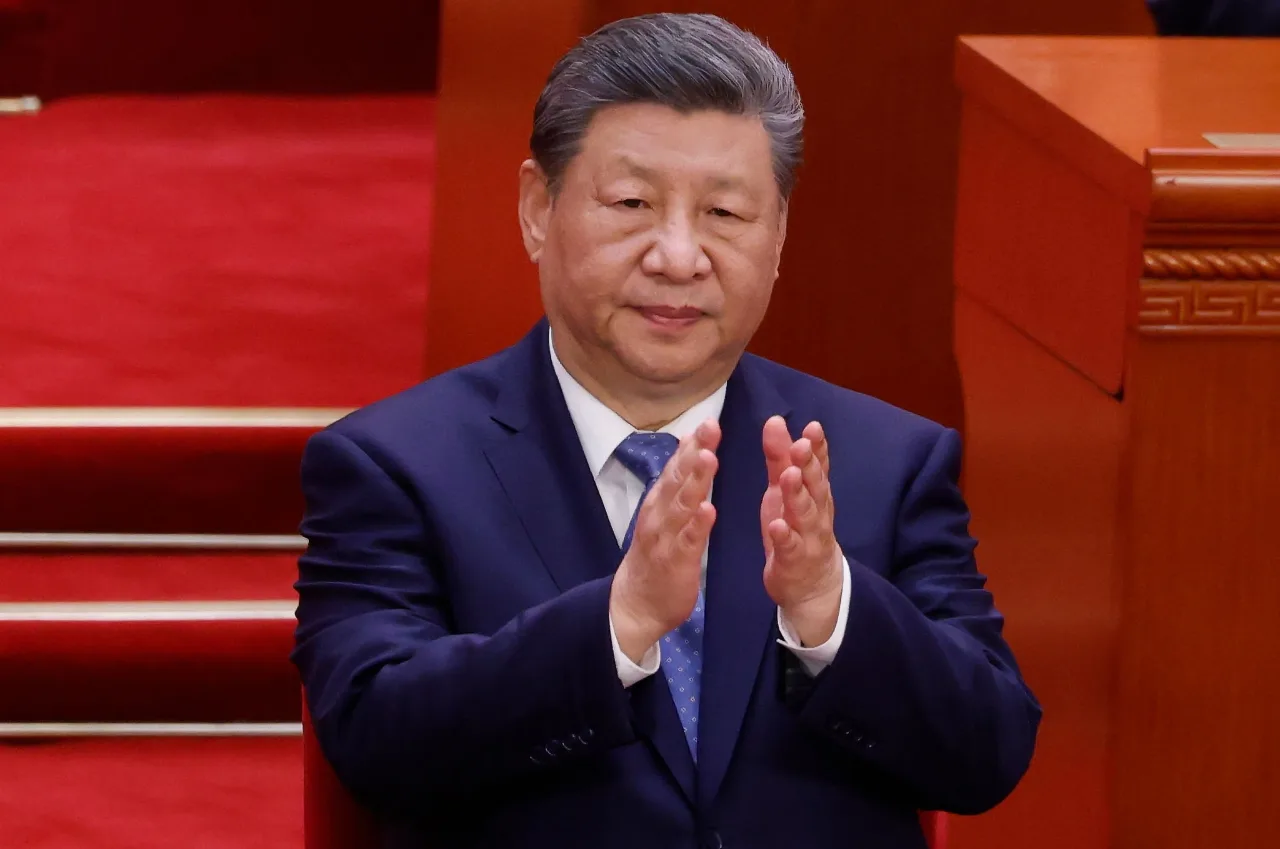
In a speech reported by state news agency Xinhua on October 22, Xi called for “effective qualitative improvement and reasonable quantitative growth” in the economy. He said China must pursue high-quality development while meeting the population’s growing expectations for a better standard of living.
His remarks came as Beijing seeks to maintain economic momentum while addressing structural weaknesses in the world's second-largest economy. Official data showed China's gross domestic product grew by 4.6 per cent year on year during the first three quarters of 2026. Growth slowed from 5 per cent in the first quarter to 4.3 per cent in the second, before reaching 4.5 per cent in the third quarter.
The latest manufacturing figures point to continuing difficulties. China's official manufacturing Purchasing Managers' Index fell to 49.3 in October from 50.1 in September, marking the third contraction in four months. Readings below 50 indicate a contraction in manufacturing activity. Weak domestic demand and cooling export orders contributed to the decline.
The slowdown has reinforced concerns about the balance of China's growth model. Manufacturing and exports remain important sources of economic activity, while household consumption and the property sector continue to face difficulties. Economists have called for stronger policy support to stimulate domestic demand and improve business confidence.
China's government has pledged additional policy support. In September, the State Council called for stronger counter-cyclical adjustments and faster implementation of existing measures, including accelerating the issuance and use of government bonds. The measures are intended to support economic activity and help the country meet its annual development targets.
Xi's October speech also addressed the military, underscoring the Communist Party's absolute leadership over the armed forces. He called for continued military reform and improvements through science and technology, talent development and governance in accordance with the law.
The remarks were delivered during commemorations marking the 90th anniversary of the Long March, the strategic retreat undertaken by the Chinese Red Army between 1934 and 1935.
The economic challenges facing Beijing extend beyond manufacturing. Weak consumer confidence, difficulties in the property market and pressure on local government finances continue to complicate efforts to sustain growth. At the same time, China's expanding industrial capacity and strong export performance have contributed to trade tensions with several major economic partners.
Xi's call for qualitative improvement alongside measurable growth reflects Beijing's effort to balance economic expansion with structural development and social stability. The effectiveness of that approach will depend on whether policy measures can strengthen domestic demand and address the pressures affecting businesses and households.