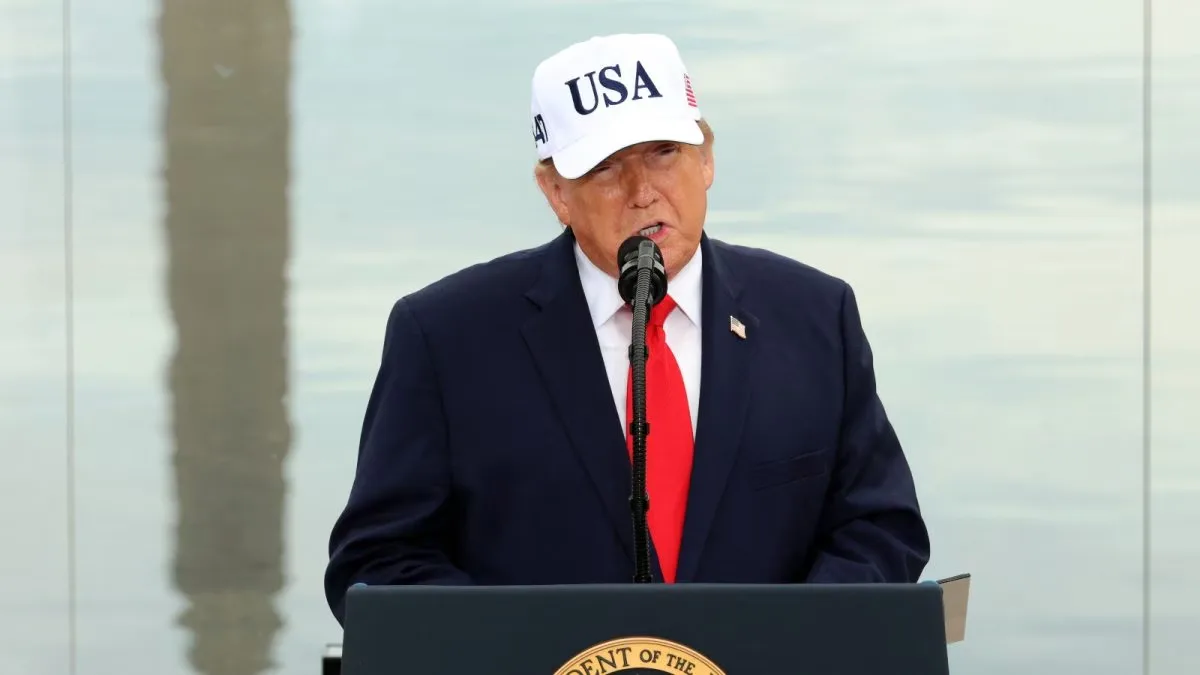
US President Donald Trump is travelling to China for an unprecedented trilateral meeting with Chinese President Xi Jinping and Russian President Vladimir Putin, bringing together the leaders of the world's three major powers at a time of heightened international tensions over the wars in Ukraine and Iran, nuclear security and the future of global trade.
The meeting is scheduled for Thursday, November 19, on the sidelines of the Asia-Pacific Economic Cooperation (APEC) summit in Shenzhen, southern China. It will be the first formal trilateral gathering involving the leaders of the United States, China and Russia.
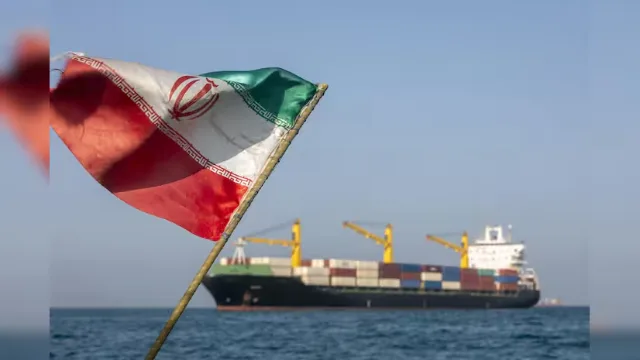
Trump has said he intends to discuss nuclear disarmament and efforts to end the war in Ukraine, which began with Russia's full-scale invasion in February 2022. He also plans to raise the conflict involving Iran, following the US military campaign against Tehran earlier this year.
The agenda, however, remains uncertain. US officials had initially indicated that the Ukraine war would not be part of the trilateral discussions, but Trump subsequently suggested that he would raise the issue. His remarks have added uncertainty over whether the meeting will address the conflict directly or focus primarily on nuclear security and the Middle East.
Expectations of a major breakthrough remain limited. Analysts have pointed to significant differences between the three countries, particularly over Ukraine and nuclear arms control. China has maintained that Washington and Moscow should first reduce their substantially larger nuclear arsenals before Beijing considers joining a formal arms-control arrangement.
The meeting comes after the expiration of the New START treaty between the United States and Russia in February, removing the last major limits on the strategic nuclear arsenals of the two countries. Trump has called for a new agreement that would also include China, although Beijing has shown little interest in accepting restrictions while its nuclear stockpile remains considerably smaller than those of Washington and Moscow.
For Xi, hosting the meeting offers an opportunity to project China's growing diplomatic influence and reinforce its position as a central actor in international affairs. Beijing has described the gathering as an opportunity for the three leaders to exchange views on safeguarding world peace and promoting strategic stability.
Putin's participation also carries considerable significance for Moscow. The Russian leader has sought to maintain international recognition and demonstrate that Western efforts to isolate Russia have not prevented it from engaging with the world's major powers. His meeting with Xi ahead of the trilateral gathering in Shenzhen further underlines the close relationship between Beijing and Moscow.
The Ukraine conflict remains a particularly sensitive issue. China has maintained that it is neutral, while its expanding economic and strategic relationship with Russia has drawn criticism from the United States and European governments. Ukrainian President Volodymyr Zelenskyy has expressed concern that discussions among the three leaders could affect Ukraine's future without Kyiv being directly involved.
The prospect of a US-China-Russia understanding has also revived comparisons with the 1945 Yalta Conference, where the leaders of the United States, Britain and the Soviet Union discussed the post-war international order. However, the Kremlin has rejected suggestions that the Shenzhen meeting could produce comparable arrangements, emphasising that any decisions cannot be imposed on other countries.
Beyond security issues, the summit is taking place amid continuing competition between Washington and Beijing over trade, technology and artificial intelligence. US restrictions on China's access to advanced semiconductor technology remain a significant source of tension, while Beijing has criticised American trade measures and called for greater openness in international commerce.
Trump's visit also follows his meetings with leaders of the Quad countries in Manila, involving the United States, India, Japan and Australia. The discussions focused on regional security and cooperation in the Indo-Pacific. He also held engagements with Southeast Asian leaders and signed a trade statement with Thailand during his regional tour.
The APEC summit provides China with an opportunity to present itself as a supporter of regional economic cooperation and open trade. Xi has called for reduced trade and investment barriers and greater international cooperation on artificial intelligence, even as disagreements with Washington continue over technology restrictions and industrial policy.
Trump's meeting with Xi and Putin will therefore carry significance beyond the immediate issues on the agenda. It will test whether direct engagement among the three leaders can produce progress on nuclear risks and regional conflicts, or whether their competing strategic interests will limit the outcome.
Although the gathering is historic in its format, its success will ultimately depend on whether the leaders can translate diplomatic engagement into concrete commitments. For now, the meeting is expected to be an important demonstration of major-power diplomacy rather than a guarantee of substantive agreements.