The Strait of Hormuz has become a central front in the confrontation between the United States and Iran, with both governments claiming authority over the strategic waterway as attacks on commercial shipping intensify. The escalation is disrupting maritime traffic, driving up energy-market uncertainty and raising the risk of a wider regional conflict.
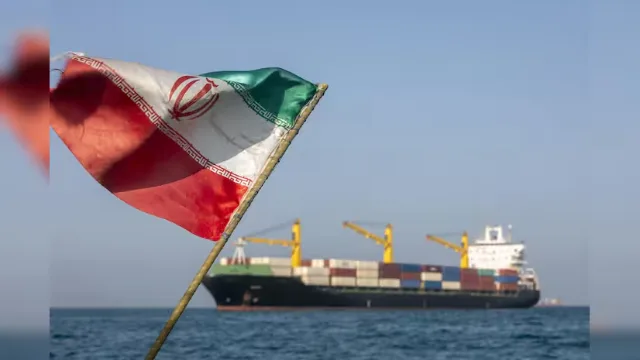
At least 12 vessels were confirmed attacked in or near the strait during the week ending October 16, according to the United Kingdom Maritime Trade Operations organisation. Several ships were damaged, disabled or forced to divert, while two vessels sank earlier in the week after being struck by projectiles. One crew member was reported killed, while the crews of other affected vessels were evacuated. The true number of attacks may be higher because some ship operators have not reported incidents to maritime authorities.
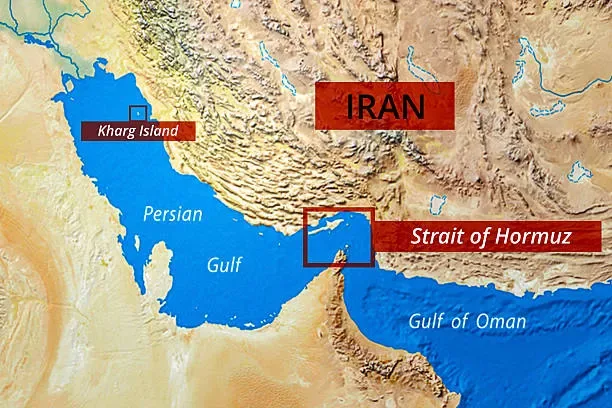
The rising toll underscores the growing danger facing commercial shipping through one of the world's most important energy corridors. Before the war began on February 28, roughly one-fifth of global oil and liquefied natural gas trade passed through the strait.
Two competing claims of control
Washington and Tehran have increasingly framed the struggle around who controls access to Hormuz.
US Central Command has maintained that American forces and regional partners are keeping the waterway open and enabling commercial vessels to transit. Iran, meanwhile, has sought to impose restrictions on ships it considers to be violating its rules, arguing that vessels must coordinate their movements with Iranian authorities.
The United States has also maintained a naval blockade of Iran's southern ports, seeking to restrict the country's maritime trade and reduce its oil revenues. Tehran has responded by intensifying pressure on shipping, using attacks and threats to challenge Washington's ability to guarantee safe passage.
The two strategies reflect different forms of leverage. The United States has superior conventional naval power and a network of regional partners. Iran, however, occupies a strategically important position along the northern coast of the strait and can threaten vessels through missiles, drones, mines and small boats.
Neither side's declaration of control has eliminated the danger to commercial shipping. Instead, the competing claims have made passage more uncertain for shipowners, insurers and energy companies.
Attacks widen beyond oil tankers
The recent incidents indicate that the threat is no longer confined to oil tankers. Container ships and bulk carriers have also come under attack, raising concerns across the wider shipping industry.
A Singapore-flagged container vessel, the GFS Pride, sank after being struck by a projectile, while the dry bulk carrier Cape Dao, sailing under the flag of Antigua and Barbuda, also sank in a separate incident. The crew of the GFS Pride was evacuated safely, while the attack on the Cape Dao resulted in one reported fatality.
Maritime security officials have also reported attacks involving small boats and rocket-propelled grenades. The variety of incidents has complicated efforts to assess the threat and determine which routes remain relatively safe.
Iran has said it is tightening enforcement of its restrictions on vessels passing through the strait. US officials have attributed attacks to Iranian forces and disputed Tehran's accounts of some incidents, including claims that ships were struck by naval mines.
The conflicting explanations complicate efforts to establish responsibility in every case. But the broader pattern is clear: commercial operators are facing elevated risks in a waterway that was once a comparatively reliable route for global energy shipments.
Energy markets feel the pressure
The disruption is having consequences far beyond the Persian Gulf. Oil prices have risen as traders assess the risk of further attacks, reduced transit volumes and possible damage to energy infrastructure elsewhere in the region.
Brent crude touched $110 a barrel on October 17, its highest level since May, amid continuing attacks and concerns that the conflict could escalate further.
The pressure on shipping has also affected the volume of oil moving through Hormuz. According to figures cited by energy-data provider Kpler, flows averaged 11.6 million barrels per day in the seven days to October 13, about 68 per cent of the pre-war baseline of 17.1 million barrels per day.
Even a partial disruption can have substantial consequences because the strait connects major Gulf producers with international markets. Alternative pipelines and routes can accommodate some shipments, but they cannot fully replace the waterway's capacity.
Higher crude prices can feed into petrol, diesel, transport and production costs. If the disruption persists, the effects could extend to food prices and other goods whose supply chains depend on energy-intensive shipping.
Iran seeks leverage as Washington applies pressure
Tehran's strategy appears designed to increase the economic and political costs of the US campaign. Iranian officials have indicated that attacks on vessels will continue against ships they consider to be violating the country's restrictions.
Reuters reported that Iran has been changing its tactics and expanding surveillance of shipping, including the use of small boats to identify potential targets. The reported shift suggests that Tehran is seeking ways to sustain pressure despite the damage inflicted on its military capabilities by US and Israeli strikes.
The United States, for its part, has continued to insist that its naval campaign is preventing Iranian exports and maintaining maritime access for other countries. American officials have portrayed Iran's attacks as evidence of mounting pressure on Tehran rather than proof that Washington has lost control of the waterway.
Yet the distinction between military superiority and effective maritime security is becoming increasingly important. The US Navy may be capable of striking Iranian targets and escorting commercial vessels, but protecting every ship across a contested maritime corridor is a different challenge.
Iran does not need to establish uncontested control of Hormuz to impose costs. Even sporadic attacks can deter shipping companies, increase insurance premiums and force vessels to take longer or more complicated routes.
The diplomatic route remains uncertain
Despite the escalation, diplomatic contacts have not completely broken down. Regional countries, including Pakistan and Qatar, have continued to serve as intermediaries between Washington and Tehran.
However, the two sides remain divided over the conditions required to end the conflict and restore unrestricted shipping. Iran has linked the reopening of the strait to its broader demands, while Washington has insisted that commercial navigation must not be subject to unilateral Iranian restrictions.
The November 3 US midterm elections add another political dimension. Iranian officials have suggested that maintaining pressure on energy markets could influence American domestic politics, while Washington faces growing pressure to demonstrate that its military campaign can secure maritime traffic without triggering a prolonged energy crisis.
That creates a difficult calculation for both governments. Iran risks further military retaliation and economic isolation if it continues attacking shipping. The United States risks being drawn into an extended effort to secure the waterway while facing the economic consequences of persistent disruption.
A dangerous contest with global consequences
The struggle over Hormuz has become more than a dispute about maritime access. It is a test of whether military power can secure a vital commercial route when an adversary is willing to impose costs through geographically concentrated attacks.
Washington can demonstrate its naval superiority, and Tehran can continue to threaten vessels. Neither achievement, on its own, guarantees safe passage or restores confidence among shipping operators.
The immediate challenge is to prevent further attacks, establish credible arrangements for commercial navigation and reduce the risk that a single incident triggers a wider military response. Without progress on those fronts, energy markets and international shipping will remain exposed to decisions made in Washington and Tehran.
The Strait of Hormuz is too important to the global economy to become a permanent instrument of coercion. Yet as both governments insist that the waterway is under their authority, the growing danger to commercial vessels is exposing the difference between claiming control and delivering security.