The risk of a renewed and potentially wider US-Iran conflict is growing as Washington weighs fresh military action and Tehran warns of retaliation against American personnel and critical infrastructure across the Middle East.
US intelligence officials have warned that Iran is in the advanced stages of planning attacks against American officials at home and abroad, according to reporting cited by The New York Times. The warnings have heightened concerns that even a limited incident could trigger a broader confrontation between the two countries.
Iran, meanwhile, believes the United States and Israel are preparing another major round of strikes aimed at forcing Tehran to accept Washington’s demands. The prospect of renewed fighting comes amid stalled negotiations and political uncertainty in both Washington and Jerusalem.
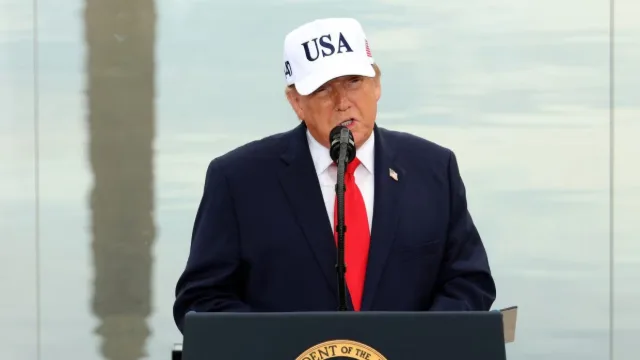
US President Donald Trump has indicated that he will decide soon whether to resume military operations against Iran. Although he has said there would be no US strike on October 26, he has also suggested that the situation could change after the November 3 US midterm elections.
Senior US officials have reportedly told The New York Times that Trump has been leaning towards another round of major strikes. Plans drawn up by US Central Command include an expanded list of targets, including energy infrastructure and other facilities considered vital to Iran’s economy, according to an official familiar with the preparations.
Iranian officials have responded with warnings that any renewed offensive would widen the conflict. Tehran has threatened to target US forces, diplomatic personnel, energy facilities, civilian infrastructure and underwater fibre-optic cables carrying international communications.
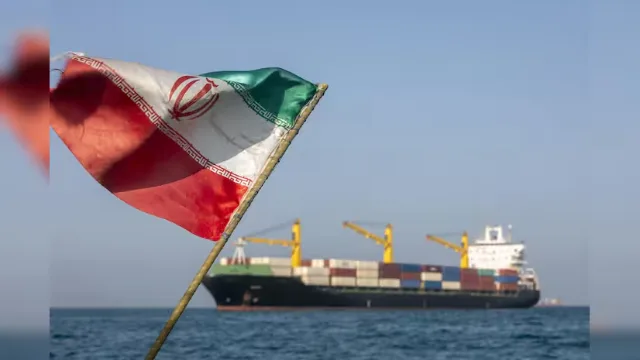
Iranian leaders have also indicated that a new confrontation could extend beyond the immediate battlefield. During the earlier phase of the conflict, Tehran launched attacks against US bases in West Asia and moved to close the Strait of Hormuz, a strategically important waterway for global energy supplies.
The prospect of renewed disruption to the strait has raised concerns about the potential consequences for international shipping and energy markets. Any sustained interruption to traffic through the waterway could increase pressure on oil supplies and global trade.
Political developments in the United States and Israel are adding to the uncertainty. Trump faces domestic pressure over the war, which has proved unpopular even among some of his supporters. Israeli Prime Minister Benjamin Netanyahu, meanwhile, is approaching a critical election that could determine his political future.
Diplomats and analysts have warned that the political calendar could complicate decisions on military action. A change in leadership in Israel could alter calculations about the timing of further strikes, while domestic political considerations in Washington may influence the administration’s approach to the conflict.
The situation has also raised fears that a single incident could trigger rapid escalation. An attack on an American official, a strike near Iranian leadership or a miscalculation by either side could prompt retaliation before diplomatic channels have time to intervene.
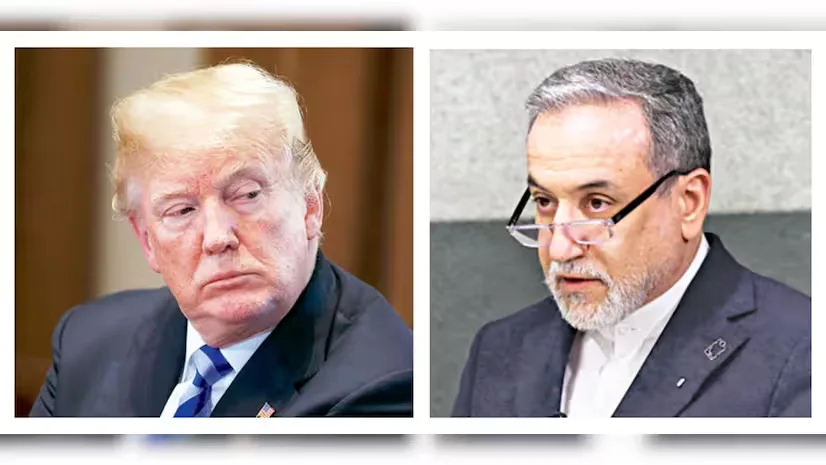
Despite the heightened tensions, diplomatic contacts have not completely broken down. Iran’s Foreign Ministry said on October 26 that messages were still being exchanged with Washington through intermediaries and that Tehran had not closed the door to diplomacy. Iranian officials have criticised US demands, which they describe as calls for surrender, but have maintained that communication remains possible.
The competing signals leave the region facing an uncertain outlook. Washington is preparing military options while assessing intelligence about possible Iranian attacks, and Tehran is warning that any new offensive could bring a wider response.
Whether the confrontation moves towards another round of major strikes or returns to negotiations will depend on decisions by both governments in the coming days. For now, the combination of military preparations, reciprocal threats and stalled talks has increased the risk that the conflict could expand beyond its current limits.