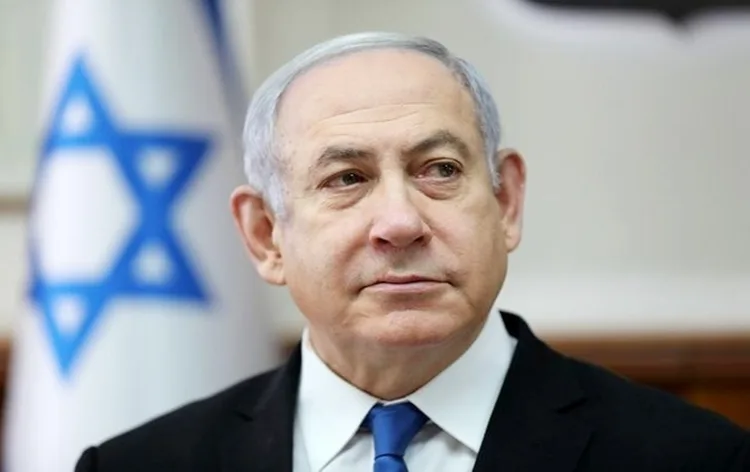
Israeli Prime Minister Benjamin Netanyahu has reportedly been contacting US President Donald Trump every day to urge a resumption of military strikes against Iran, even as Washington considers diplomatic options to end the nearly nine-month conflict.
According to a report by the Financial Times, citing people familiar with the discussions, Netanyahu has continued pressing Trump to restart military action against Tehran. The lobbying has reportedly faced resistance from individuals inside and outside the White House who oppose renewed hostilities and favour negotiations.
The Israeli prime minister's position contrasts with the diplomatic efforts of several regional leaders. Qatar, Saudi Arabia, the United Arab Emirates, Bahrain, Kuwait and Türkiye have urged Washington to give negotiations more time, amid concerns that renewed attacks could trigger wider Iranian retaliation and further destabilise the region.
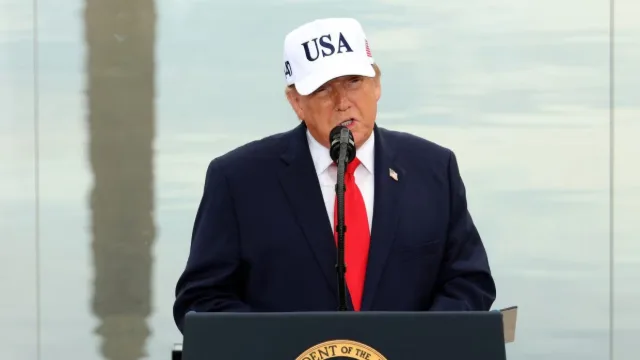
Trump indicated on Monday that Gulf allies preferred maintaining the current situation rather than launching another major military campaign. Following talks with Qatari Prime Minister Sheikh Mohammed bin Abdulrahman Al Thani, he said there was positive momentum towards ending the conflict and described renewed US strikes as unlikely.
The US president nevertheless acknowledged that limited military operations were continuing. American forces struck targets on Iran's Qeshm Island on November 3 and November 6. Trump separately confirmed that US forces had carried out a limited operation against an Iranian air-defence installation.
The diplomatic push has involved several prominent regional leaders. Saudi Crown Prince Mohammed bin Salman, UAE President Sheikh Mohamed bin Zayed Al Nahyan, Turkish President Recep Tayyip Erdoğan and Qatar's Emir Sheikh Tamim bin Hamad Al Thani have reportedly spoken with Trump in recent days, urging him to prioritise negotiations.
A diplomat familiar with the discussions surrounding the Qatari prime minister's meeting with Trump said diplomacy was regarded as the preferred route towards an agreement. Regional governments are concerned that a renewed military campaign could provoke Iranian attacks against infrastructure and strategic interests across the Gulf.
Netanyahu, meanwhile, has continued to advocate renewed US-Israeli military action against Iran, reportedly seeking to maintain pressure on Tehran. Another person familiar with the situation in Israel told the Financial Times that Netanyahu wanted military operations to resume, although there was no coordinated campaign to persuade Trump to take that step.
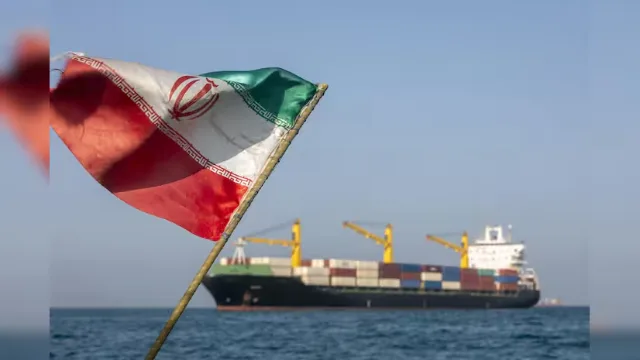
The negotiations remain complicated by disagreements over the terms of a possible interim arrangement. Iran has proposed reopening the Strait of Hormuz to commercial shipping in exchange for the lifting of the US naval blockade, the release of frozen Iranian assets and progress towards a broader agreement. The nuclear issue remains a central obstacle, particularly over Iran's stockpile of highly enriched uranium and access for international inspectors.
The competing diplomatic and military positions leave Washington facing pressure from different directions. While Israel is pressing for renewed strikes, regional governments are seeking to prevent escalation. Trump's latest remarks suggest that the administration is currently favouring a diplomatic route, although the continuation of limited military operations underlines how fragile the situation remains.