Iran has laid down seven conditions for ending the conflict with the United States, including an end to hostilities across the region, the lifting of the US naval blockade and the release of Iranian assets held abroad. The demands came as US President Donald Trump signalled that Washington was not seeking an immediate resumption of large-scale military operations.
Major General Mohsen Rezaei, secretary of Iran’s Supreme National Security Council, called on Washington to accept Tehran’s conditions, warning against what he described as attempts to portray ongoing diplomatic contacts as evidence of an imminent agreement.
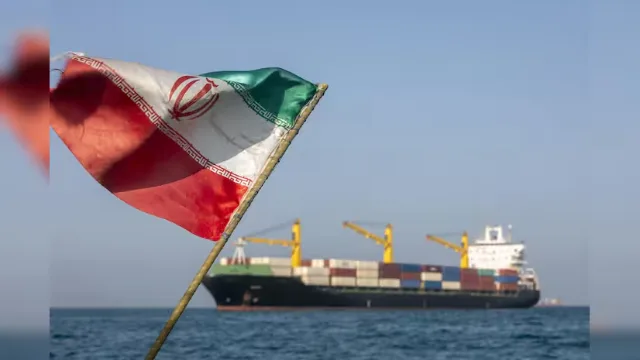
The demands include ending hostilities on all fronts, lifting the US naval blockade near the Strait of Hormuz, reopening shipping lanes through the strategic waterway, easing economic sanctions, releasing Iranian funds held overseas and ending US interference in Iran’s internal affairs. Tehran has also raised the issue of compensation for damage caused by the conflict in its broader demands.
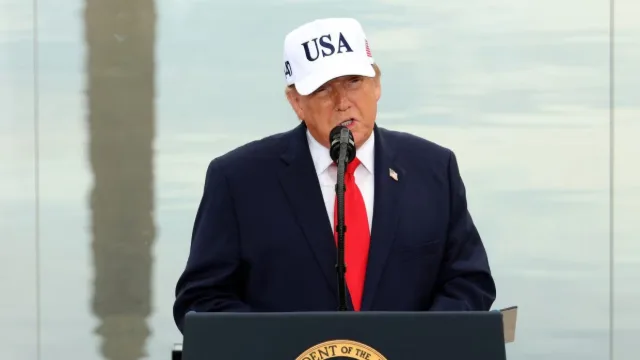
Rezaei’s statement followed remarks by Trump that Iran’s military capabilities had been effectively neutralised and that further military action might not be necessary. The US president nevertheless warned that American forces remained prepared to resume operations if circumstances required it.
Trump’s comments came after discussions with Qatari Prime Minister Sheikh Mohammed bin Abdulrahman Al Thani, whose government has played a mediating role between Washington and Tehran. The talks focused on efforts to bring the conflict to an end and secure a diplomatic arrangement.
The US president also said several Gulf countries, including Qatar, Saudi Arabia, the United Arab Emirates, Bahrain and Kuwait, supported maintaining pressure on Iran and preventing it from acquiring nuclear weapons. Washington has maintained that Iran’s nuclear ambitions remain a central concern and that any durable settlement must address the issue.
The positions of the two sides, however, remain far apart. Tehran wants the US naval blockade lifted and sanctions eased before moving towards further negotiations on its nuclear programme. Washington, in contrast, wants Iran to stop attacks on shipping in the Strait of Hormuz, restore freedom of navigation and offer concessions on its nuclear activities.
The dispute over the Strait of Hormuz remains a major obstacle. The waterway is a critical route for global energy supplies, and its disruption has contributed to volatility in international oil markets and heightened concerns over regional security.
Despite Trump's more conciliatory public statements, the situation remains uncertain. US forces continue to maintain a military presence in the region, while reports of limited strikes and maritime incidents have underscored the fragile nature of the current pause.
The latest diplomatic efforts therefore represent an attempt to prevent a return to full-scale hostilities rather than evidence that a comprehensive settlement is close. Any agreement will depend on whether Washington and Tehran can reconcile their opposing demands over sanctions, maritime access, security guarantees and Iran’s nuclear programme.