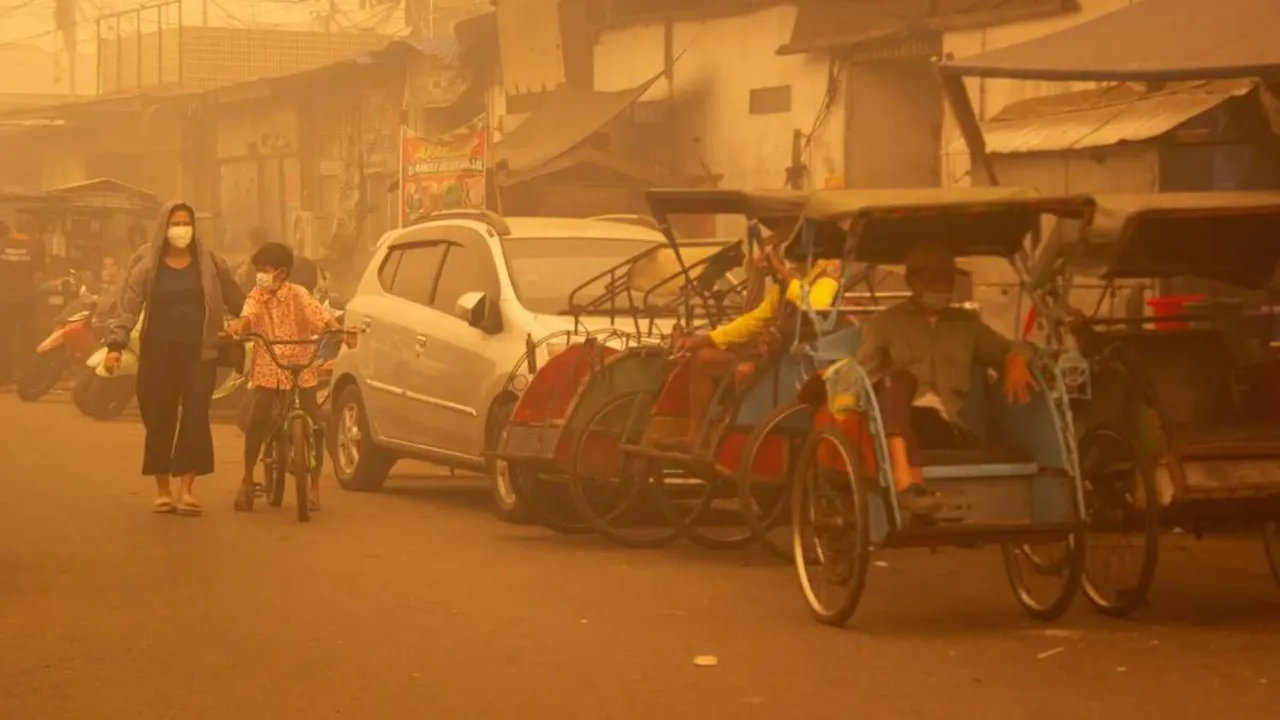
Toxic haze from months of wildfires in Indonesia has driven a sharp rise in demand for air purifiers and oxygen equipment across Southeast Asia, as worsening air quality fuels respiratory complaints and forces schools to close in affected areas.
Air purifier retailer Courts reported a 600 per cent increase in sales volume between September 28 and October 12 compared with the same period last year. Singapore-based retailer Gain City said demand had risen sharply since October 9, with sales reaching nine times the level recorded at the beginning of the haze season in August.
Medical equipment suppliers have also reported increased demand. AA Alive, a medical equipment company near Kuala Lumpur, said its sales of oxygen equipment had risen by 35 per cent amid the worsening conditions.
The haze has affected parts of Malaysia, Singapore and other areas of Southeast Asia, with pollutants from Indonesian forest and peatland fires spreading across national borders. The prolonged dry season and unusually intense El Niño conditions have contributed to the fires, which have burned across parts of Sumatra and Borneo.
The pollution has prompted school closures in neighbouring countries and increased concerns about respiratory health. Families are purchasing air purifiers to improve indoor air quality, while patients with existing breathing difficulties are seeking oxygen equipment.
At AA Alive, staff have been working to meet demand for oxygen cylinders and concentrators. Company representatives said pollutants associated with the haze had also shortened the lifespan of filters used in oxygen concentrators. Technician Mubassar Khan said filters that would normally be replaced after about 1,000 hours of use were lasting roughly half as long under the current conditions.
The health implications extend beyond immediate respiratory symptoms. Juliana Jalaludin, a professor specialising in environmental health at Universiti Putra Malaysia, warned that repeated exposure to haze and air pollution, particularly during childhood, could increase the burden of respiratory illness in future generations.
She stressed the importance of reducing exposure to protect children and limit longer-term health consequences.
The crisis has also intensified scrutiny of Indonesia’s response to the fires. Indonesian President Prabowo Subianto has ordered additional resources to combat the blazes amid growing domestic and regional criticism. Malaysia and Singapore have offered assistance, while concerns remain over the scale of the fires and their cross-border effects.
Indonesia’s fires are a recurring source of regional haze, particularly during dry periods, but the severity of this year’s conditions has heightened public-health concerns and diplomatic tensions.
The surge in sales of air purifiers and oxygen equipment reflects the immediate efforts of households and patients to cope with polluted air. However, such measures cannot address the source of the crisis. Preventing further fires, protecting forests and peatlands, and improving regional cooperation will be essential to reducing the health and economic costs of recurring haze episodes.