France has announced partial overnight curfews in several cities following violent protests over rising living costs and deteriorating public services, as authorities seek to prevent further clashes, arson and looting after a weekend of unrest.
Prime Minister Sébastien Lecornu’s office said curfews would operate from 8 pm to 6 am on Monday and Tuesday in four northern cities: Lille, Douai, Wattignies and Denain. Paris authorities also announced a partial restriction on demonstrations, while Marseille imposed a ban on public gatherings for part of Monday.
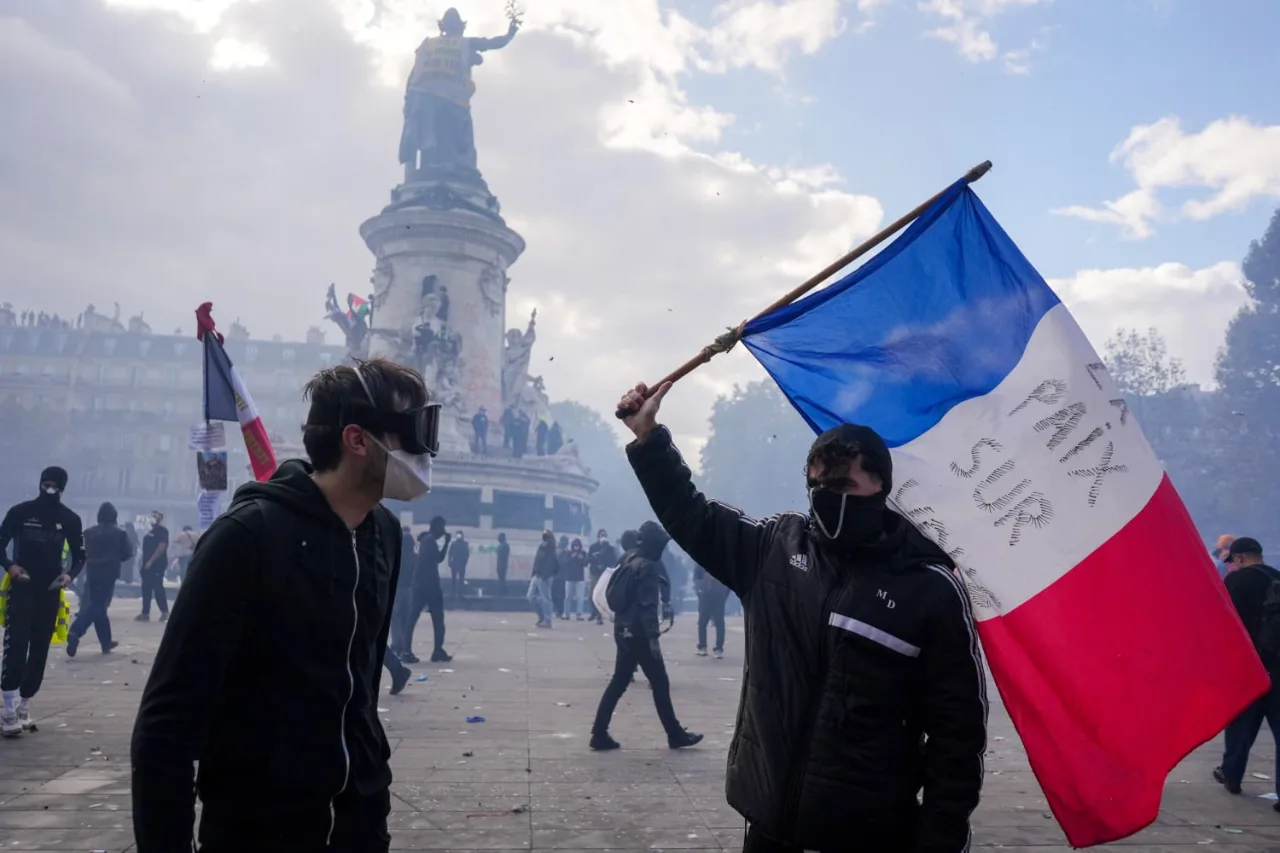
The measures followed nationwide demonstrations on Saturday, October 17, when approximately 550,000 people took part in 110 marches, according to Interior Minister Laurent Nuñez. Organisers put the turnout higher. What began as largely peaceful protests over the cost of living and school conditions escalated into violence in several cities.
Masked groups attacked police, looted shops and set fire to vehicles and public buildings. In Limoges, the town hall was set ablaze, while a tourist office in Lyon was damaged by fire. In Marseille, protesters damaged shops and entered the city hall building.
Authorities reported more than 2,500 arrests and nearly 1,000 injuries among security personnel during the unrest, according to figures released on Monday. Thousands of businesses were affected, with officials warning that the economic damage could run into hundreds of millions of euros.
Government Admits Security Failures
Nuñez acknowledged on Monday that police had lost control in some areas during Saturday’s demonstrations, citing shortcomings in planning and the deployment of security forces.
Around 60,000 law enforcement personnel had been deployed nationwide, but the scale of the crowds and the actions of violent groups overwhelmed police in several locations.
President Emmanuel Macron rejected Nuñez’s offer to resign and instructed him to ensure transparency over failures in security planning and intelligence. Macron also called for changes to the operational methods used by police to contain rioters and prevent further looting.
Lecornu said the government was determined to restore public order and did not rule out stronger measures if the violence continued. However, he favoured localised restrictions rather than a blanket curfew across Paris.
Cost of Living Fuels Discontent
The unrest follows several weeks of student-led protests over deteriorating conditions in schools, teacher shortages and public-service investment. Demonstrations subsequently widened to include anger over rising living costs and fuel prices.
According to figures cited by Agence France-Presse, diesel prices have risen by nearly 40 per cent since March, while petrol prices have increased by around 25 per cent. Food prices have also climbed substantially over the past five years.
The protests have placed additional pressure on Macron’s government, which is already confronting political divisions and growing public dissatisfaction ahead of France’s presidential election in 2027.
The government has blamed radical groups and looters for exploiting peaceful demonstrations. Opposition figures, meanwhile, have criticised the authorities’ handling of the unrest and questioned whether the state was adequately prepared.
European Union officials condemned the violence while stressing that the right to peaceful protest must be protected. Germany and China also issued warnings to their citizens about the risks associated with demonstrations in France.
Authorities are preparing for further protests after organisers called for another nationwide mobilisation on Saturday. The government’s immediate priority is to prevent renewed violence while addressing the public grievances that have fuelled the demonstrations.