Elon Musk has regained his status as the world’s first trillionaire, with his estimated fortune rising to about $1.04 trillion after a sharp rebound in SpaceX and Tesla shares.
Musk’s wealth increased by roughly $65 billion on Monday, according to the Bloomberg Billionaires Index. SpaceX shares have gained 13% since the beginning of October, while Tesla has risen 6.7%, pushing Musk’s estimated fortune above the $1 trillion threshold for the first time in three months.
The recovery comes after a dramatic reversal following SpaceX’s record-breaking initial public offering in June. The surge in SpaceX’s valuation briefly made Musk the world’s first trillionaire, but his fortune subsequently fell as the company’s shares declined amid concerns about its valuation.
The latest rally has been driven by renewed investor optimism around both of Musk’s biggest assets.
SpaceX shares have rebounded about 58% from their August low, while Tesla reported better-than-expected third-quarter sales last week. Together, the gains have restored much of the wealth Musk lost during the post-IPO correction.
Musk’s fortune remains unusually concentrated in the two companies. His stakes in SpaceX and Tesla account for more than 98% of his estimated net worth, according to Bloomberg’s wealth index. That concentration means relatively modest changes in the valuations of either company can translate into tens of billions of dollars in changes to his personal fortune.
The turnaround has also been accompanied by a more positive assessment of SpaceX among some Wall Street analysts.
Morgan Stanley analysts described SpaceX as an attractive way to gain exposure to the expanding space and intelligence sectors, contributing to renewed enthusiasm around the company.
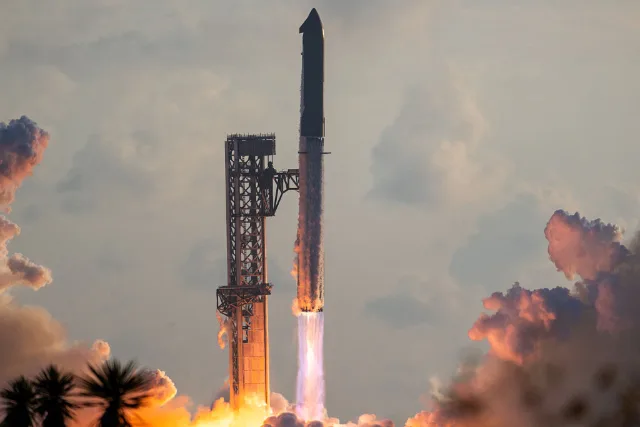
SpaceX's valuation has been closely watched since its public-market debut. The company combines its traditional launch business with Starlink and other technology operations, giving investors exposure to several rapidly growing markets.
That breadth has also contributed to unusually high expectations surrounding the company. Earlier concerns over its valuation triggered a steep decline after Musk first crossed the trillion-dollar threshold, demonstrating how quickly his paper wealth can change when investor sentiment shifts.
Musk’s latest return to the trillion-dollar club therefore reflects more than a personal wealth milestone. It illustrates the extraordinary scale of the valuations attached to his companies and the volatility of fortunes built largely on equity holdings.
For now, the direction has turned sharply upward.
SpaceX has recovered from its post-IPO slump, Tesla has benefited from stronger quarterly sales and Musk’s estimated fortune has once again crossed a threshold that, only months ago, appeared almost unimaginable.
But the episode also offers a reminder about what the trillion-dollar figure actually represents.
It is not cash sitting in a bank account. It is an estimate based largely on the market value of assets that can rise or fall rapidly.
For Musk, the world's first trillionaire, that distinction has already been demonstrated once this year.
Now the market has given him the number back.