
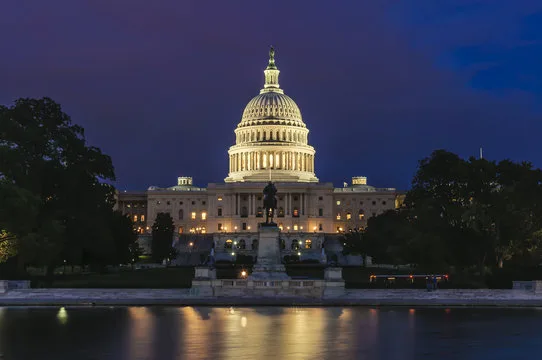
WASHINGTON, November 4 — Democrats have won control of both chambers of the US Congress in the November 3 midterm elections, delivering a major setback to President Donald Trump and ending two years of unified Republican control in Washington.
The results represent a significant shift in the country's political balance, with Democrats making historic gains in traditionally Republican states and districts. The Associated Press and Reuters reported that the party had secured control of both the Senate and the House of Representatives.
Among the notable victories, Democrat James Talarico defeated Republican Ken Paxton in Texas, ending a decades-long Democratic drought in Senate elections in the state. Democrat Annie Andrews won in South Carolina, while Adam Hamilton secured a Senate victory in Kansas, where Democrats had not won a Senate race since 1932. Democrat Sherrod Brown also defeated Republican incumbent Jon Husted in Ohio.
Democrats made substantial gains in House contests, including districts that had previously been considered safe Republican territory. Their victories were spread across several regions, indicating a broader shift in voter sentiment rather than a series of isolated electoral upsets.
The results were driven in large part by voter dissatisfaction over the cost of living, economic conditions and the administration's policies. The US military campaign against Iran and its contribution to higher fuel prices also emerged as significant issues during the campaign.
Exit polls conducted by SSRS for a consortium of US media organisations, including the Associated Press, showed widespread dissatisfaction with the direction of the country. Many voters identified affordability and the cost of living as major factors influencing their decisions.
Trump had urged voters to treat the midterm elections as a referendum on his presidency. Following the results, he said he would accept the outcome and was prepared to work with Democrats, while disputing the suggestion that the losses represented a personal rejection of his leadership.
The Democratic takeover will significantly alter the legislative environment for the remainder of Trump's term. Once the new Congress convenes in January 2027, Democrats will control committee leadership, legislative agendas and congressional investigations in both chambers.
The party is expected to intensify scrutiny of the administration's policies, including its handling of the economy, foreign affairs and federal government operations. A Democratic-controlled Senate will also have greater influence over the confirmation of presidential nominees, including senior administration officials and federal judges.
However, the change in congressional control does not remove Trump's executive authority. The President retains the power to veto legislation, and Democrats will need sufficient bipartisan support to overcome that obstacle. The new political arrangement is therefore expected to produce greater confrontation between the White House and Congress.
The elections also produced several historic outcomes across the country. Democratic victories in a number of traditionally Republican states highlighted the scale of the party's gains, while several governorships and state-level contests also changed hands.
The results mark a turning point in Trump's second presidency, placing a newly empowered Democratic opposition in control of the legislative branch and setting up a period of divided government in Washington.